ttt

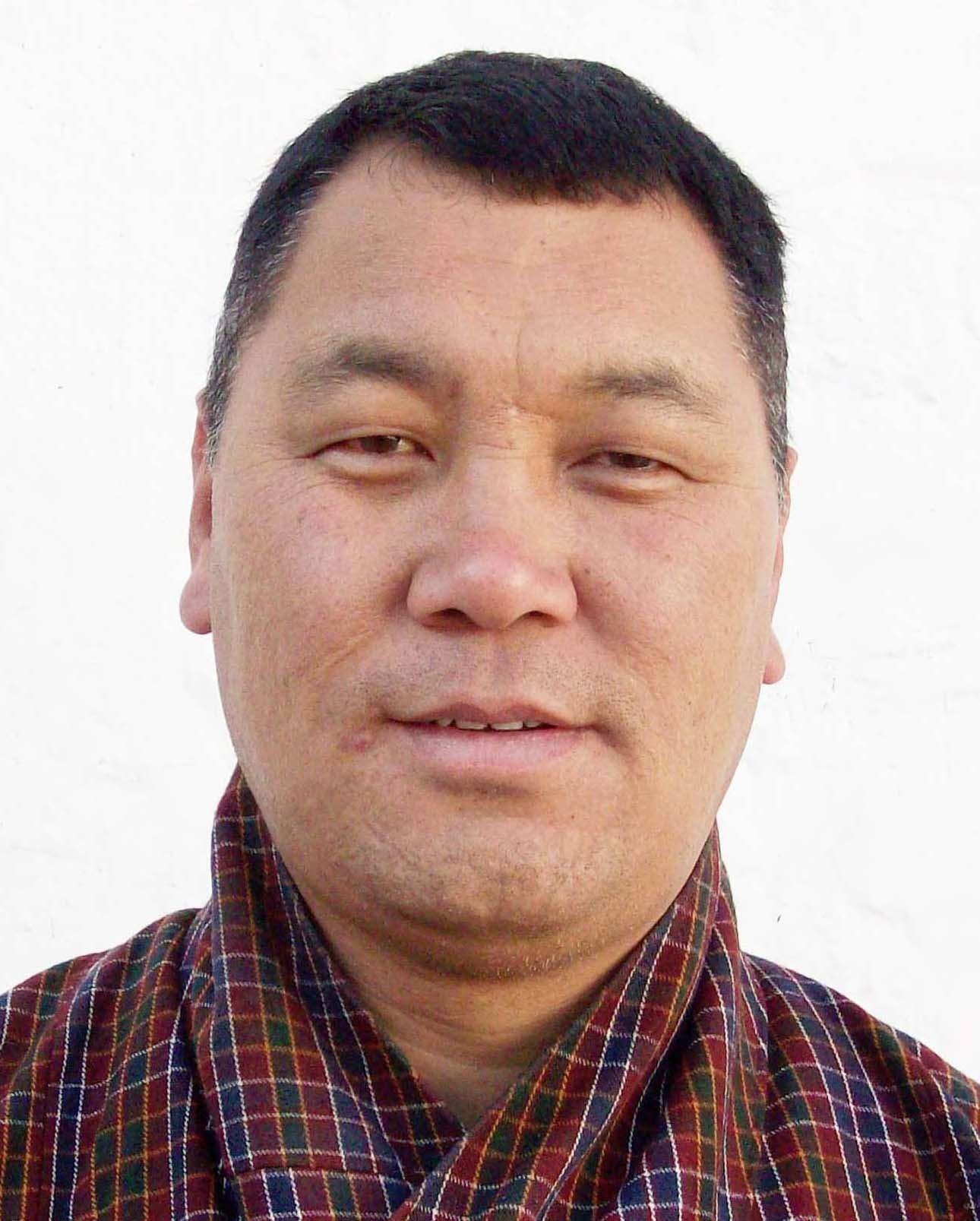
Mr. Rinchen Gyemtsho

Professional biography

རིན་ཆེན་རྒྱ་མཚོ་འདི་ སྤ་རོ་ཤེས་རིག་མཐོ་རིམ་སློབ་གྲྭ་ནང་ལུ་ ཞིབ་རོགས་དབང་གི་ཕྱག་ཕྱིད་ཞུ་མི་ཅིག་ཨིན། ཁོ་གིས་ སྤྱི་ལོ་ ༡༩༨༧ ལུ་ སློབ་གྲྭ་ཆུང་བའི་སློབ་དཔོན་ཅིག་འབད་ ཕྱག་ཕྱིད་ཞུ་ནི་འགོ་བཙུགས་ཅི།  ཁོ་གིས་ སྤྱི་ལོ་ ༡༩༩༨༧-༡༩༩༦ ཚུན་ ལོ་ངོ་བཅུ་ཕྲག་གཅིག་གི་རིང་ལུ་ ཧཱ་རྫོང་ཁག་ ཚ་འཕེལ་དང་སྐར་ཚོགས་སློབ་གྲྭ་ཆུང་བ་གཉིས་ཀྱི་ནང་ལུ་ གཞི་རིམ་ཆུང་བའི་རྫོང་ཁའི་སློབ་དཔོན་དང་ དབུ་འཛིན་ངོ་ཚབ་དང་དབུ་འཛིན་ལས་རོགས་པའི་ལཱ་འགན་ཚུ་ཡང་ཕྱག་ཕྱིད་ཞུ་སྟེ་ སློབ་གྲྭ་ཆུང་བའི་འཛིན་སྐྱོན་དང་ སློབ་སྟོན་གྱི་ཉམས་མྱོང་ཚུ་ཐོབ་སྟེ་ཡོད།

 

སྤྱི་ལོ་ ༡༩༩༧-༢༠༠༠ ཚུན་ ཆོས་ཚན་རྩ་གཞུང་དང་ལས་རིགས་རྒྱབ་སྐྱོར་ལས་ཚན་ (CAPSS) ནང་ལུ་ རྫོང་ཁའི་ཆོས་ཚན་རྩ་གཞུང་འགོ་དཔོན་ (Curriculum Officer) འབད་ཕྱག་ཕྱིད་ཞུ་སྟེ་ སློབ་རིམ་ཆུང་བའི་རྩ་གཞུང་བྲི་ནི་དང་ སློབ་དཔོན་ཚུ་ལུ་ ཁྱད་རིག་གི་སྦྱོང་བརྡར་ བྱིན་ནིའི་ལཱ་ཚུ་འབད་ཡི། ལྷག་པར་དུ་ མཐའ་འཁོར་སློབ་སྦྱོང་སྐད་སྒྱུར་དང་སྦྱོང་བརྡར་བྱིན་ནིའི་ལཱ་འགན་ཧྲིལ་བུ་འབག་སྟེ་ ཕྱག་ཕྱིད་ཞུ་ཡི། དེ་མ་ཚད་ སློབ་རིམ་བཞི་པ་ལས་དྲུག་པ་ཚུན་གྱི་སློབ་དེབ་ཚུ་ཡང་གསརཔ་བྲིས་ཡི།


སྤྱི་ལོ་ ༢༠༠༠ ལུ་ སྤ་རོ་ཤེས་རིག་མཐོ་རིམ་སློབ་གྲྭ་ནང་ལུ་ ལེགས་བཤད་པའི་ལཱ་འགན་ཕྱག་ཕྱིད་ཞུ་སྟེ་ མཐོ་རིམ་སློབ་གྲྭ་ནང་ལུ་ སློབ་སྦྱོང་ལས་རིམ་ཚུ་གི་སྦྱོང་ཚན་གསརཔ་བྲི་ནི་དང་ ལག་དེབ་ཚུ་བྲིས་ཏེ་ སློབ་སྦྱོང་གི་སྤུས་ཚད་ཡར་རྒྱས་རྐྱངམ་གཅིག་ལུ་དམིགས་ཏེ་ ཕྱག་ཕྱིད་ཞུ་ཡི། མཐོ་རིམ་སློབ་གྲྭ་ནང་ལུ་ སློབ་སྟོན་སྦྱང་བའི་མཉམ་འབྲེལ་པ་ (TP Coordinator) རྫོང་ཁ་ལས་སྡེའི་འགོ་འཛིན་ (Head, Dzo. Department) གཙུག་ལག་གཞི་རིམ་རྫོང་ཁའི་ལས་རིམ་འགོ་ཁྲིདཔ་( Program Leader, B.Ed. Dzo.)  གཙུག་ལག་གཞི་རིམ་གོང་མའི་ལས་རིམ་འགོ་ཁྲིདཔ་ (Program Leader, PgDE) རྫོང་ཁའི་སློབ་སྦྱོང་གི་འགོ་འཛིན་པའི་ (Head of Dzo. Studies ) གཙུག་ལག་མཐོ་རིམ་རྫོང་ཁའི་ཤེས་ཡོན་གྱི་ལས་རིམ་འགོ་ཁྲིདཔ་ (Program Leader, M.Ed. Dzongkha) གི་ལཱ་འགན་ཚུ་ ཅི་ལྕོགས་གང་ལྕོགས་ཀྱི་སྒོ་ལས་ཕྱག་ཕྱིད་ཞུ་དང་ ཞུ་བཞིན་དུ་ཡོད།


ཁོ་གིས་ སྤྱི་ལོ་ ༢༠༡༤ ལུ་ མཐོ་རིམ་སློབ་གྲྭ་ག་རའི་དོན་ལུ་ རྫོང་ཁ་བརྡ་དོན་སྤྲོད་ལེན་གྱི་སྦྱོང་ཚན་  བྲིས་ཏེ་ འབྲུག་རྒྱལ་འཛིན་གཙུག་ལག་སློབ་སྡེ་ལུ་དང་ སྤྱི་ལོ་ ༢༠༡༥ ལུ་ ལུང་འདྲེན་དང་རྒྱབ་རྟེན་འབད་ཐངས་ཀྱི་དཔེ་དེབ་ཅིག་བྲིས་ཏེ་ སྤ་རོ་ཤེས་རིག་མཐོ་རིམ་སློབ་གྲྭ་ནང་ལུ་ ཞལ་འདེབས་འབད་ཕུལ་ཡི། ཁོ་གིས་ མཐོ་རིམ་སློབ་གྲྭ་རྐྱངམ་གཅིག་ནང་མེན་པར་ འབྲུག་རྒྱལ་འཛིན་གཙུག་ལག་སློབ་སྡེའི་ནང་ལུ་དང་ ལས་སྡེ་གཞན་ཚུ་ལུ་ཡང་ ཁྱད་རིག་གི་ཞབས་ཏོག་ཚུ་ ཕྱག་ཕྱིད་ཞུ་དང་ཞུ་བཞིན་དུ་ཡོདཔ་ཨིན་ནོ།། 

Email:   rinchengyemtsho.pce@rub.edu.bt

Loading

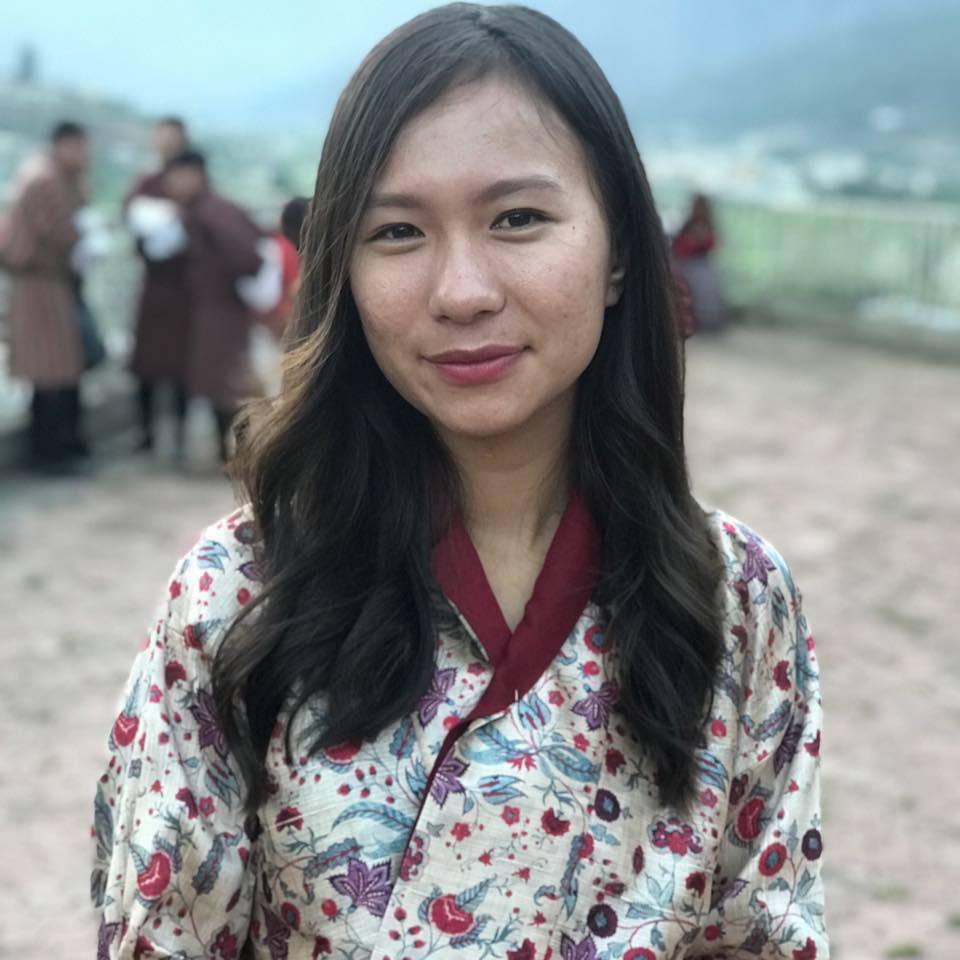
Ms. Chimi Dema

Professional biography


Chimi Dema, is an assistant lecturer. She joined the teaching faculty at Paro College of Education from July, 2017. She teaches Diploma and Undergraduate courses especially focusing on Early Childhood Education. She has actively participated in conducting trainings in and out of college in ECCD field. She works with children at the Centre for Early Childhood Studies.


She has been appointed as the Programme Leader for Diploma in Early Childhood Care and Development from August 2020. She is a passionate teacher who wants to see the best for her students and is continuously working for the betterment of the ECCD field in the country. For her research studies, she is interested to study about various types of play especially focusing on blocks and children’s development, parents’ perceptions about play and learning and working with families and communities. 

                                               Email:   chimidema.pce@rub.edu.bt

Loading

Deki Tshomo

Professional biography


Deki Tshomo started working at Paro College of Education in September 2021. She completed her year 12 at Rangjung Central School in 2020. 

Email:   dekitshomo.pce@rub.edu.bt

Loading

Tashi Wangmo

Professional biography

Tashi Wangmo is currently working as an Adjunct Lecturer at Paro College of Education. She teaches Creative Arts in the Lower Primary. She holds a Bachelor of Education (Primary B .Ed.) from Samtse College of Education. She was teaching Art Education in schools for eight years before joining the college. Her work experience includes reviewing the Art Education Teacher’s Manual and workbook; conducting SBIP and NBIP on Art Education for both teachers of government and  private schools; Coordinator of, Art Club. Besides teaching, she initiated giving awareness in the community by recycling baskets and teaching weaving basket skills in the community. She also engaged the children every summer and winter vacation through art activities and the same was done during the lockdown too. As an art teacher, she conducted art competitions and also participated in all the open art competitions and won art prizes too. The greatest achievement was that she held the first ever grand SOLO Art and Craft Exhibition .She also published Class diary, school and Art and Craft Magazine and distributed it to the teachers of Bhutan during the Art Education workshop. 

                                       Email:   tashiwangmo.pce@rub.edu.bt


Loading

Tshering Wangdi

Professional biography

Mr. Tshering Wangdi is currently working as the laboratory Assistant at Paro College of Education. He has completed Diploma in Information Technology from Computer and Management Institute in the year 2010 and done two years certificate course in Computer Hardware and Networking from Rangjung Institute of Electrical Engineering in the year 2012. He has worked as an IT asst. officer at Eco Ventures Private Limited Como Uma Paro before joining Paro College of Education. 

 Email id: tsheringwangdi.pce@rub.edu.bt

Loading

Library


PCE Library 

Paro College Library System is powered by KOHA which is a full-featured open-source ILS.


Membership

All students, academic and administrative staff of the College are members of the library.

Teacher trainees are kindly requested to show their student ID while using library services.


Borrowing Access and Loan Periods

  • The library collections are available to all individuals for use.
  • All faculty, staff and students are eligible for privileges to borrow from PCE library.
  • 5 items per student for 2 weeks.
  • 10 items per lecturers & 5 items per staff for two & one month respectively.
  • 5 items per DE students and 10 items per M.Ed students for 2 weeks respectively.
  • A user cannot take any library item in the name of others.
  • Same book will not be loaned out in one person.
  • Some items which are high in demand are categorized as Short-Terms Loans & are therefore, loaned out for 3 days.


Overdue Material

  • Students (DE & M.Ed as well) will be charged Nu.5 per day for overdue materials.
  • Lecturers/staff will be charged Nu.10 per day for overdue materials.
  • Borrowing privileges will be suspended if regular circulating materials are kept for 30 days or more beyond their due date, or if a recalled item is five days overdue and if there is a fine of more than Nu.100. . Privileges will be restored only after the items have been returned.


Lost or Damaged Items

  • Any person who shall willfully, maliciously, deface, tear, write upon, ruin, or injure any library materials or facilities may be subjected to loss of library privileges and appropriate administrative action.
  • Lost library items must be reported immediately.
  • Replace the book or pay the purchased price plus a processing fee of Nu.50.


Holds & Recalls

  • All borrowers are guaranteed the use of library books depending on the loan periods assigned unless a rush recall is placed to put the book on reserve.
  • If an item is loaned out, library staff will put a recall on the item and must be submitted on the new due date. The patrons will receive a recall notice.
  • Borrowing privileges will be suspended if a recalled item is not returned by the new recall due date and fines will be levied accordingly.
  • An item can be placed on hold by consulting the library staff.


Returns & Renewals

  • Materials checked out must be returned to the library staff.
  • Library items can be renewed online.
  • Renewal polices vary depending on the type of material and users.


LIBRARY HOURS

    Monday to Friday : 8:00 PM to 7:00 AM
    Saturday to Sunday : 9:30 AM to 12:30 PM
    Government Holidays : Closed

Loading

UNFPA-PCE Partnership Center

YOUTH SKILLS & EDUCATION FOR EMPOWERMENT

A UNFPA-PCE Partnership Centre for Knowledge, Advocacy and Dialogues


Background


The UNFPA-PCE partnership began in 2009 with the introduction and promotion of Comprehensive Sexuality Education (CSE) through the Life Skills Education (LSE) Programme in Bhutanese schools. As part of the programme, schoolteachers were trained annually. With support from UNFPA, Paro College of Education has also provided this programme to its final year students each year since then. Further, the College has provided professional development training to faculty members, Heads of departments, Programme Leaders, Deans, Provosts, Student Leaders and College Presidents. The partnership also implemented a number of capacity building initiatives including research methodology workshops, national and international seminars, and research studies.

The College has also successfully published several books on CSE (e.g. Facilitator Manual 2010; CSE Handbook 2014; CSE Dzongkha Translation 2017; CSE Handbook 2019; Connecting Youth, Connecting Stories 2020; and Sexual Harassment Prevention Policy 2021). Beginning March 2020, as part of PCE’s strategic response to the onslaught of the COVID-19 pandemic, a number of initiatives were taken to enhance emotional and psychological resilience among the youth. Accordingly, the College successfully conducted online activities such as stories related to the pandemic, workshops for final year students and psychological outreach programmes to the community.


In order to consolidate and sustain the partnership programmes and initiatives of the past twelve years and to provide future direction for youth skills and education for empowerment, a Centre has been established and launched on 25 November 2021. Inaugurated by Her Majesty Gyalyum Sangay Choden Wangchuck, the UNFPA-PCE Partnership Centre for Knowledge, Advocacy and Dialogues will anchor all UNFPA supported activities on UNFPA’s and RUB’s developmental goals and priorities so that these efforts continue to have positive impact on Bhutanese society. Accordingly, the Centre will reach out to schools, youth population in Bhutan and the wider community to support them through knowledge, advocacy and dialogues related to mental health, sexual and reproductive health rights, gender based violence, and other developmental issues.


Vision

To generate knowledge, advocacy and dialogues on mental health, sexual and reproductive health rights, gender based violence, and other developmental issues in society.


Mission                                       

The UNFPA-PCE Partnership Centre shall strive to:

  • Support all UNFPA activities that focus on Sexual and Reproductive Health Rights (SRHR), Gender Based Violence (GBV) and Mental Health issues.
  • Strengthen the delivery of Comprehensive Sexuality Education within the College and the wider community.
  • Provide a repository of knowledge and information on SRHR, GBV, and other health and social development concerns in society.
  • Support UNFPA and the RUB in their organisational roles and efforts to create a safer, more compassionate and happier place in society.
  • Conduct research and other investigative studies in partnership with UNFPA, RENEW, NCWC, and other relevant organisations, and generate knowledge of value to Bhutanese society.
  • Organise professional development programmes for students, teachers, and members of the community.
  • Serve as the nodal institution for UNFPA activities for the Royal University of Bhutan.

Loading

Nangkhar Choeling Learning Center

Nangkhar Choeling Learning Center


Background 


Established as educational innovation, Nangka Choeling Learning Centre (NCLC), located in the student residential area, is designed to provide the physical and psychological conditions for students to cultivate sustained reading habits, intellectual curiosity and lifelong learning. The creative learning space was officially launched on 22nd February 2021 by former Tsugla Lopon, Samten Dorji.

The centre is a space where students have access to books, with zero cost as the books have been donated by various personnel who visited the centre. A well-read teacher can inspire students to cultivate lifelong reading habits and keep their minds open, wide and spacious. It is based on the belief that a community of knowledgeable teachers can help build learning schools that in turn will help to build a thinking nation, thereby creating a knowledge society.

This creative space provides students the accessibility to resources that will aid in their learning and personal development. The students have access to facilities such as computers and projector with Wi-Fi access. The learning space creates a conducive environment for students to carry out group discussions and presentation preparations.

With the establishment of Nangka Choeling Learning Centre, it has added tremendous benefits for the students in terms of overall personal and academic well-being. Some of the salient features of the centre are;

  1. All the books are donated.
  2. Lending of the books is not allowed to provide access to the books all the time.
  3. The centre is kept open until 10:30-11:00pm.
  4. Anybody can visit the centre.
  5. The committee consists of two student representatives.
  6. Two students (a boy and a girl) are assigned on daily basis to look after the centre.

Loading

Happiness and Wellbeing Center

Happiness and Wellbeing Center


Background


The Happiness and Wellbeing Centres was established in 2019 to address the emerging wellbeing, academic and career challenges at RUB colleges. The centre is supporting Paro college in fulfilling the overall vision to become ‘An internationally recognized university steeped in GNH values’. The centre was established with financial assistance from the European Union, Erasmus Plus Programme through a project developed and coordinated by Paro College of Education in partnership with three Universities from European Union: VUB, Brussels, ISMAI, Portugal, and UoB, UK.


The Happiness and Wellbeing Centre is serving as a safe place for the students of the Paro College to seek refuge, and it provides opportunities for the interested students to build skills, enhance insight, and grow resilience, which will all go a long way in preparing them for life. The happiness and wellbeing centre lead in counselling & wellbeing education, training, and research programmes. The centre also cater services related with happiness, wellbeing, and counselling to PCE staff, local community, government agencies, and Non Governmental Organizations. Some of the services that the centre caters are mindfulness, one-to-one counselling, group counselling, courses on insight, and skill enhancement. The centre also initiate tailor made group courses on need-based themes such as ‘Being Bhutanese’ ‘Leadership of Self’ & ‘Working with life challenges’ etc. The centre is manned by three trained professionals under the office of Dean of Student Affairs.


The physical space of the centre is divided into six main corners. The students can use the lounge outside for group discussions, and coffee moments to surf the net or charge their gadgets, the inner space is divided into three sections: 1) the mini stage that can be used to enhance their communication, or presentation or social skills 2) the carpeted floor with fifteen mats is used for regular mindfulness sessions 3) the sitting arrangement next to the book cardboard is used as a mini library and educational screen viewing. The students use the separate room fitting with six computers and a heavy duty printer for academic and career related activities. Finally, the room deep inside the centre is used for one to one counselling sessions.


Loading

Loading