“I’m sure I’m going to win this war!” you might hear me declare. A war of what, you ask? Well, let me explain, Paro College is more than just a place of learning; it’s a training ground, preparing us soldiers to face the realities of the teaching world head on. And I’m proud to be one of those soldiers. We’ve been armed with skills and knowledge from so many modules, but none quite like PED202: Skills for Effective Teaching. This is where the real battlefield training begins. It’s an intense experience for our B.Ed Dzongkha Primary students in their third semester, and for the B.Ed General students, they experience in their second semester.
Almost Twelve module teachers unite to train hundreds of us, the future educators. This intensive program feels like preparing for a war zone, as we ready ourselves for the demanding realities ahead. The classroom is our battlefield, and student success is our ultimate mission. Just like soldiers undergo harsh training, we trainee teachers dive into intensive training programs. We’re consistently bombarded with educational theories, pedagogical strategies, crucial classroom management techniques, and comprehensive curriculum development. This module is often both academically and emotionally challenging.
Each lecturer teaches us on a different topic, yet all instruction is aligned with fostering co-learning and embracing a less teacher-centered approach. This collective effort is designed to nurture each child’s holistic development, ensuring we’re ready for any challenge the “classroom battlefield” that is on our way.
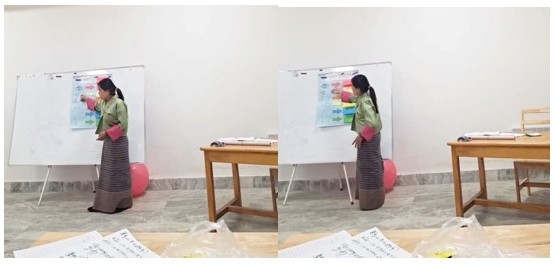
This module, commonly referred to as microteaching, is where students finally put all the theory they’ve learned into practical action. It runs practically during the last three weeks of the semester, giving everyone a real taste of what it’s like to teach. Students prepare their own teaching materials for a lesson plan, and then they get a tight 15 minutes to actually deliver it. That short time slot is exactly why it’s called “microteaching” despite the actual name of this module.
Here’s how it’s done. The class will be split into three groups, with about 10 students in each. Each group gets a specific lecturer assigned to them, and that lecturer focuses on observing their group using just one of the three different instructional cycles they’re learning about: the Sydney cycle, the 5E model, or the 5-steps approach. This means that as students take turns teaching every week, they’ll rotate through being observed by different lecturers, each guiding them through a distinct teaching framework. By the end of the module, everyone will have valuable, hands-on experience with all three approaches.
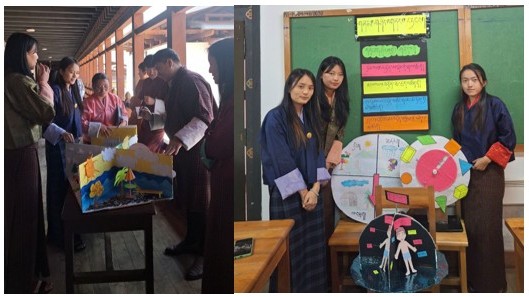
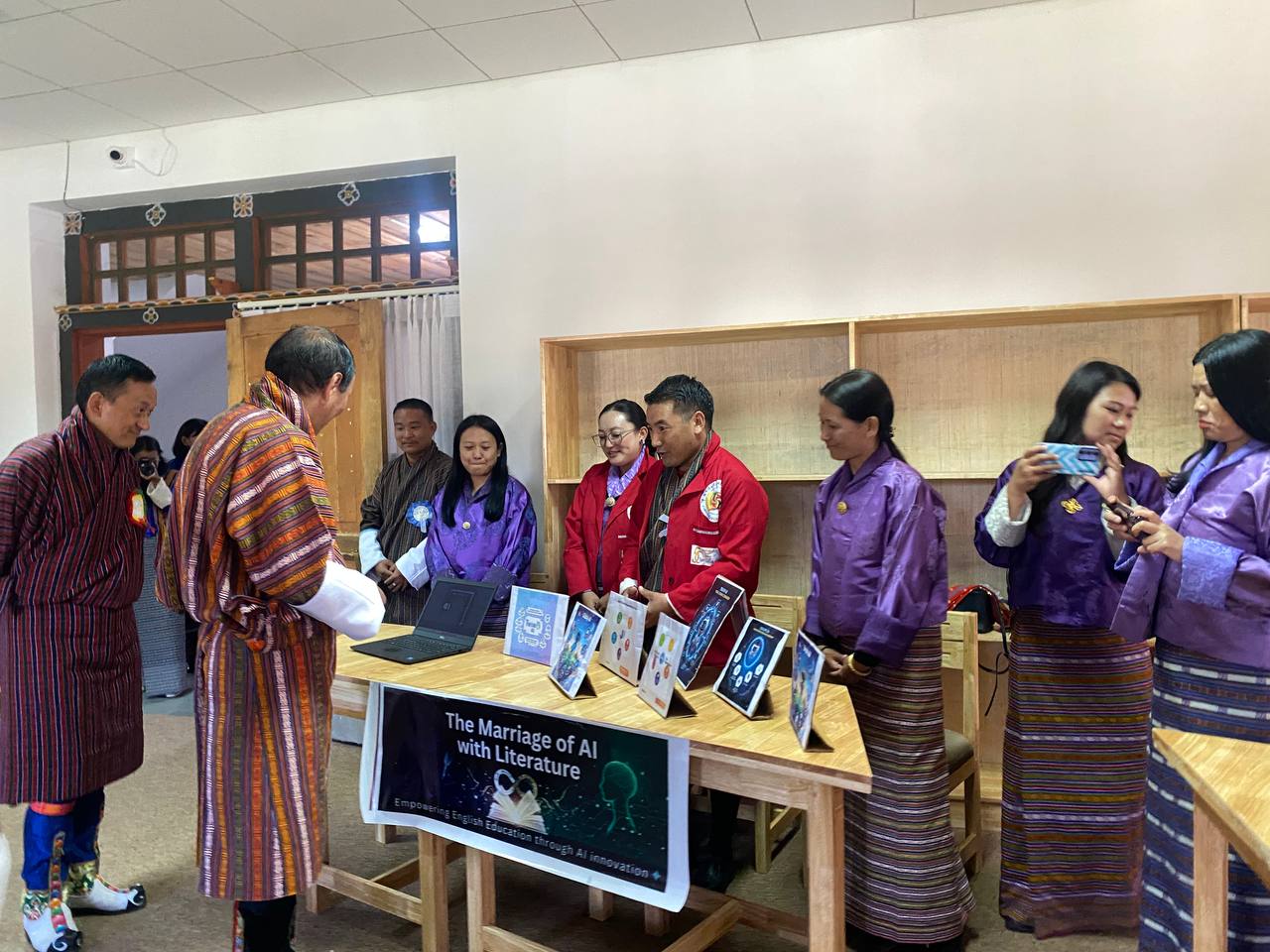
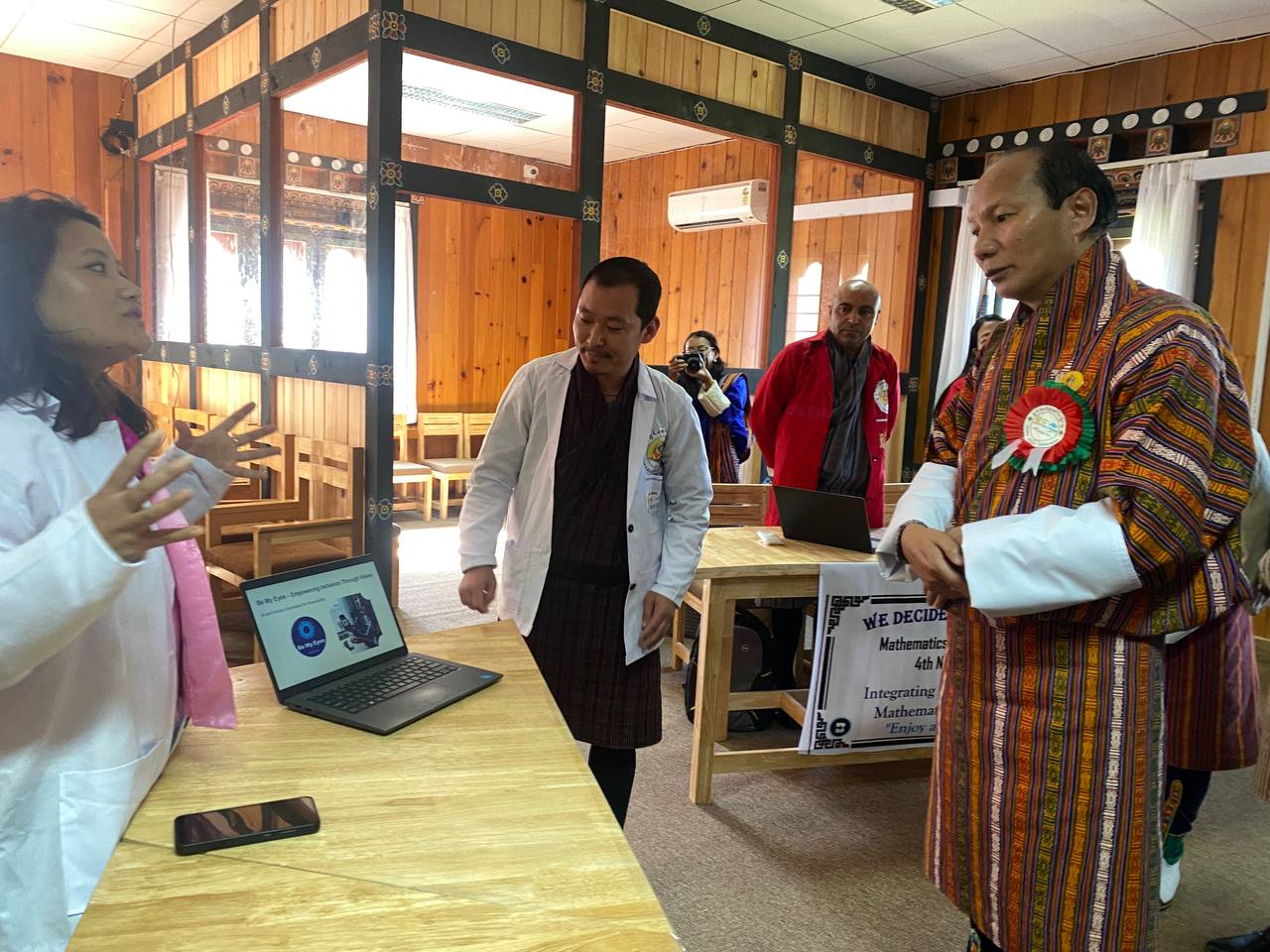
And then, to really wrap things up, we have this awesome Teaching-Learning Material (TLM) display. This is where we can go wild! We get to create any teaching material we want, on any topic that grabs us. Our lecturers will come around, not just to admire, but to really check if what we’ve made is genuinely valid and reliable for students. It’s always a treat to see all the different TLMs everyone comes up with. Honestly, this part of the module totally brings out that little kid in each of us who loves making things.
This particular module truly pushed me, training me hard, both physically and mentally. It was all about preparing trainee teachers to face the teaching world head on. Now, having completed it, I feel incredibly confident. PED202 was remarkably effective, boosting the confidence of even the most timid among us and aligning our strategies with 21st-century teaching to make learning truly impactful.

 I am forever grateful to Paro College of Education for molding the me for who I am today, may it be the way I perceive things in a more wiser way. Personally, I have always had the experience of finding it tiresome to pursue success on my own. Sometimes, I was too focused on the outcomes: grades, recognition or approvals. What did it do? Well, it has made me nervous and self-objectively evaluate myself. This made me realize that success is not here to stay, it fades away after a certain period of time. However, the work I had done, the lessons I had learned and the man I had become in the process stuck with me far longer.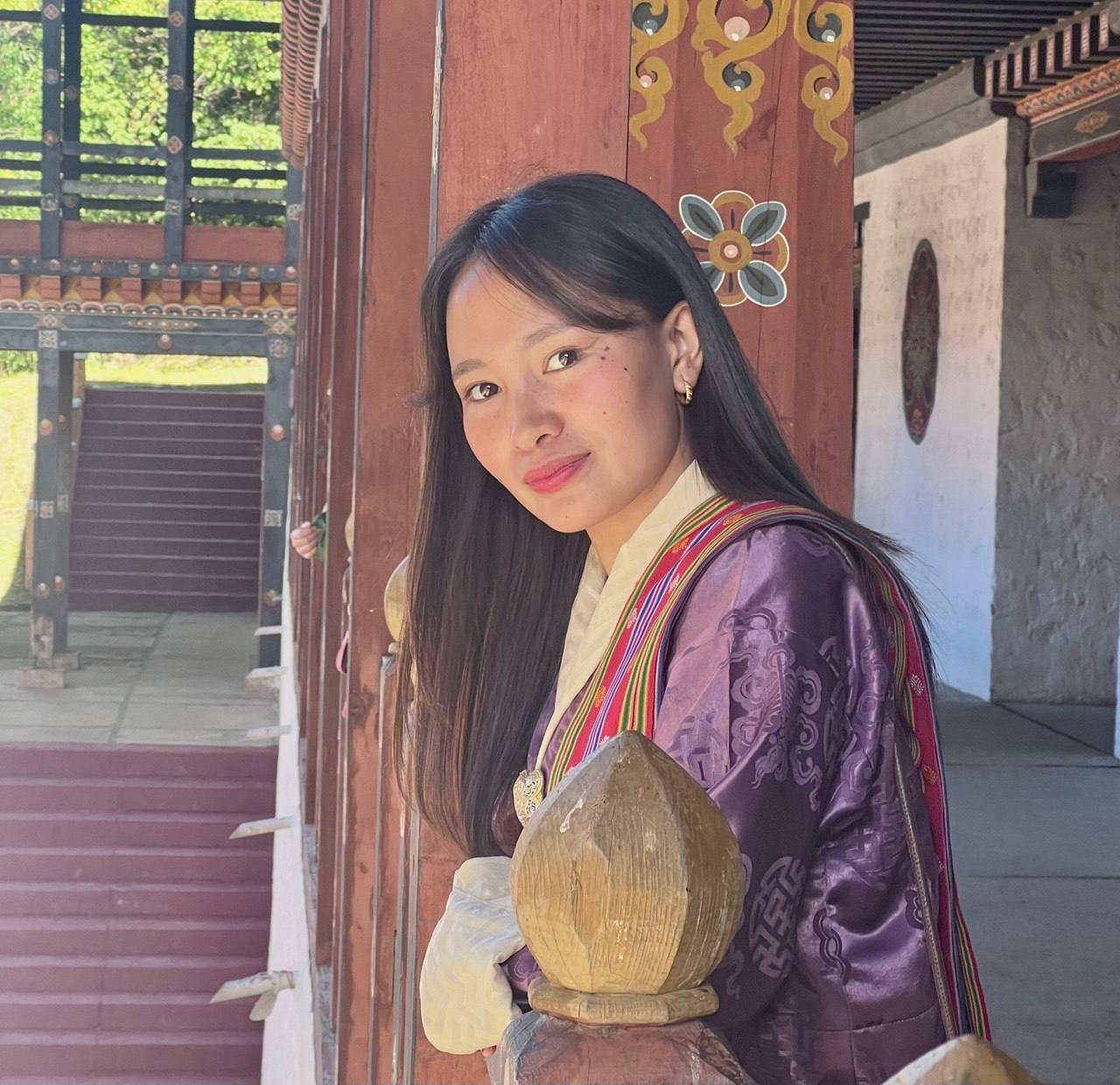
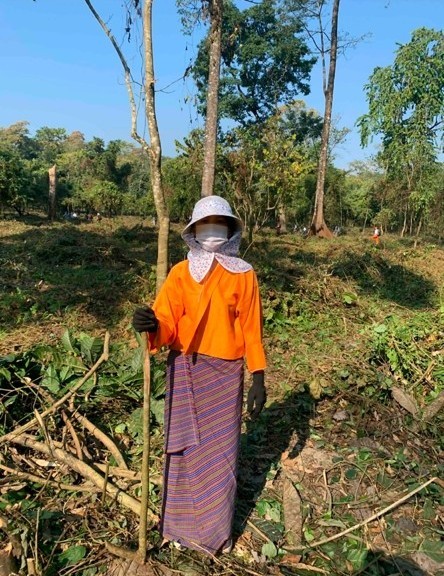 It was an very enchanting to see the programs efficiently coordinated, the team leaders, catering services, health in-charge personnel, forestry services, and transportation and all working seamlessly to support a massive gathering of nearly 10,000 volunteers. This made me reflect the strong spirit of unity, devotion, and collective responsibility of the Bhutanese. This experience reminded me of the quote ‘what’s reality now, was once a dream’. While GMC is still a vision, the work being done today is part of turning that dream into reality, and I am proud and grateful to have played my modest part in serving my nation.” – Devika Rai(4PCA)
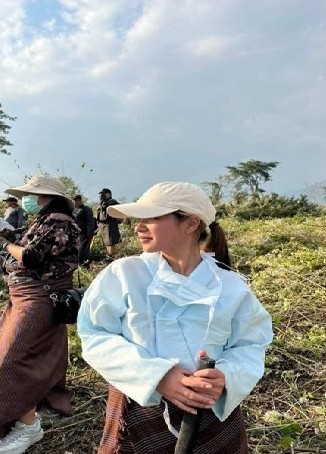 The experience taught me the importance of responsibility, time management, and community service. Additionally, his majesty, personally visited the site at the last day mainly to thank people who volunteered and travelled from all over the country. This reminded me that I am a proud Bhutanese and how lucky I am to be born in this particular era. His Majesty said that he is more than sure that the GMC will be successful because he trusts his people. He said that we will not rely on chances. Overall, these four days as a GMC 4th Batch volunteer were both rewarding and inspiring, leaving me motivated to continue serving and engaging in similar initiatives in the future.” – (Tshering Lhamo, 4PCA)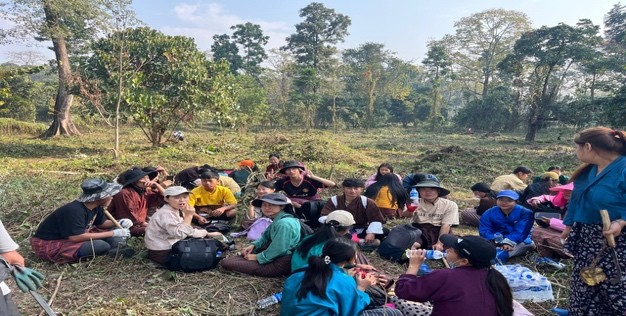
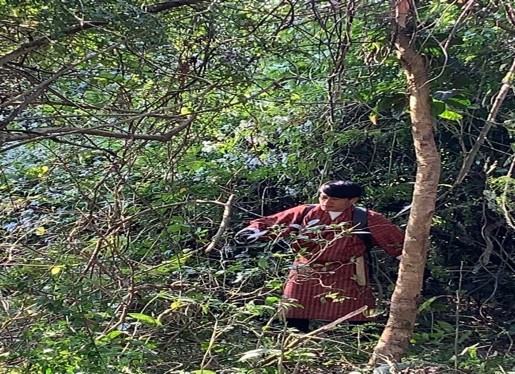 During those four days of volunteerism, I witnessed the power of unity and felt deep appreciation for our beloved People’s King. This experience strengthened my belief that His Majesty’s gra