ttt

Our Stories Page 2

How Paro College Of Education Shaped Me Into A Compassionate Leader – My Journey As Vice President Of The Bhutan Cancer Society Club

Euthra Tashi Lhazin

How Paro College of Education Shaped Me into a Compassionate Leader = My Journey as Vice President of the Bhutan Cancer Society Club

Stepping into Paro College of Education (PCE) as a first-year student, I never imagined that I would one day serve as the Vice President of the Bhutan Cancer Society (BCS) Club. Looking back, this journey was not just about holding a leadership title — it was about how PCE nurtured me into someone who could lead with empathy, vision, and purpose.

PCE is more than just a college — it’s a community that believes in shaping the whole person. From the very beginning, the college encouraged us to get involved, voice our ideas, and take initiative. Through class activities, group projects, club responsibilities, and volunteering opportunities, I learned how to collaborate, plan, communicate, and most importantly, serve others. It was in this vibrant and supportive atmosphere that I found the courage to take on the role of Vice President of the BCS Club.

The guidance of our tutors and the student-centered culture at PCE gave me the confidence to lead awareness campaigns, organize fundraising events, and represent our club at national programs like the SHIFT dialogue and the CSO conference. Every step I took as a student leader was backed by the values I learned at PCE — compassion, inclusivity, and responsibility. The colleges’ emphasis on democratic participation and moral leadership helped me understand that true leadership is rooted in service and community upliftment.

PCE didn’t just help me grow academically — it molded me into someone who can lead with heart and humility. My experience with the Bhutan Cancer Society Club will always be a reminder of how PCE empowers its students not only to become teachers, but to become changemakers in society.

A Day In The Life Of A Student At Paro College Of Education

Kinley Dema

A Day in the Life of a Student at Paro College of Education

If you had told me a few years ago that I would be waking up every morning in the quiet hills of Paro, training to become a teacher, I would not have believed it. And yet here I am, just one of the many students at Paro College of Education trying to find my way through lesson plans, assignments, and life in general.


Most of my days start early around 7AM when the hostel slowly comes alive. Alarms go off, and students get ready, brushing their teeth in slippers, and getting ready for breakfast and class. I live with three other girls, and we are like sisters now. We quarrel, laugh, exchange notes, and travel, making the prettiest memories.


The mornings are quiet and peaceful. Sometimes I just go outside to take in the cold air and watch the mountains slowly brighten as the sun rises, which is just enough to set the mood for the day. We don’t require any special therapy, because that alone is a therapy. For the breakfast we get fried rice with (butter/milk) tea and pickle/chutney as a side dish. I rank breakfast number one from the three meals we get, and I never miss it. I need it to carry me through the day.


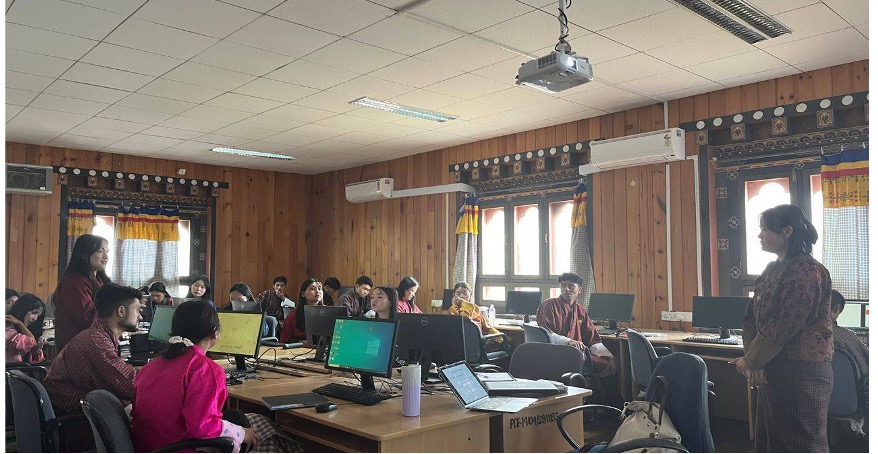
Classes start at 8:40AM. All the modules are interesting, and tutors make the class more fun. Today’s class was psychology, and that turned into a debate over how children learn and think at different stages. Our lecturer is strict but fair. I like how the classes here don’t just stick to theory. One thing about PCE is that learning isn’t just confined to the classroom. We do a lot of group works and presentations, which at first felt stressful, but now I kind of enjoy that. It pushes me to speak up, listen, and collaborate and somehow know my classmates better. We all come from different dzongkhags, and each person brings their own perspective. Also, it is very practical here. We are not studying just definitions and writing long answers; we are preparing for real classrooms. That entails learning how to negotiate inclusive classrooms, how to handle children with different learning styles, and how to actually design a lesson that will work.


Courses go on until 4PM in the evening. In between there are constant short breaks. We typically use those breaks for washroom visits, stretching, having quick snacks, or catching up with homework. Sometimes, those 15-minute breaks are where the best conversations happen. It can be about education, life back home, future plans, the latest drama, or hostel gossips.


Lunch is usually served around 12:45PM, but the mess gets full and chaotic mostly by 1:15PM. For lunch we get rice with curry. We get different curry every day. For the non-vegan, either chicken, beef, or fish is served twice a week. We also get boiled eggs, curd, and fruits  like watermelon as a complimentary. Our mess never fails to feed us the essential nutrients that our body needs.


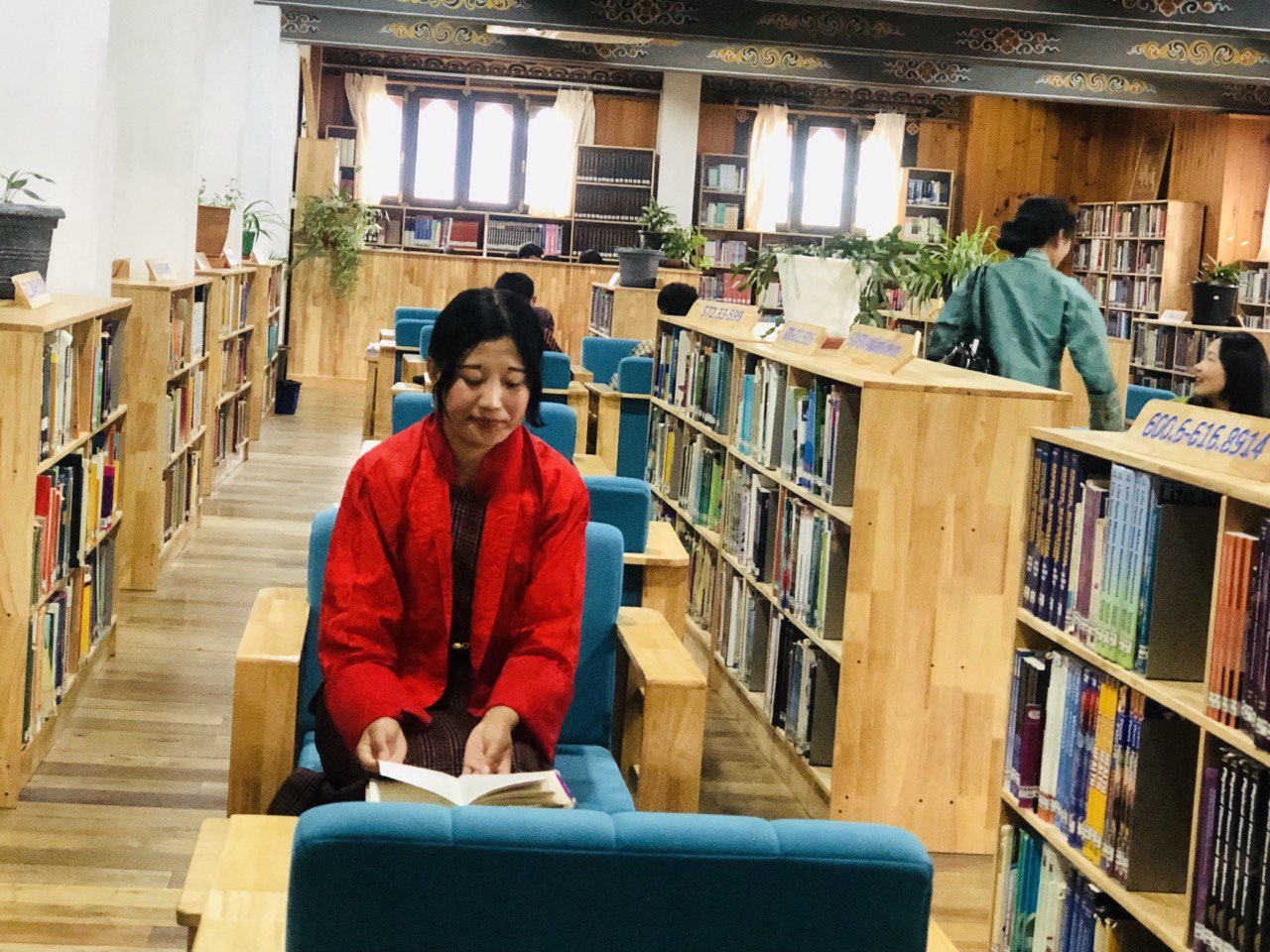
After the classes, I usually go to the library for a bit of quiet reading and to spend some alone time. It’s the calm and serenity that attracts me to that place. A perfect place for an introvert like me to recharge. Sometimes I just go back to my room and take a shower. Water there rarely runs out; hence, the toilets are always clean, and it is very convenient for us hostlers with a continuous water supply.


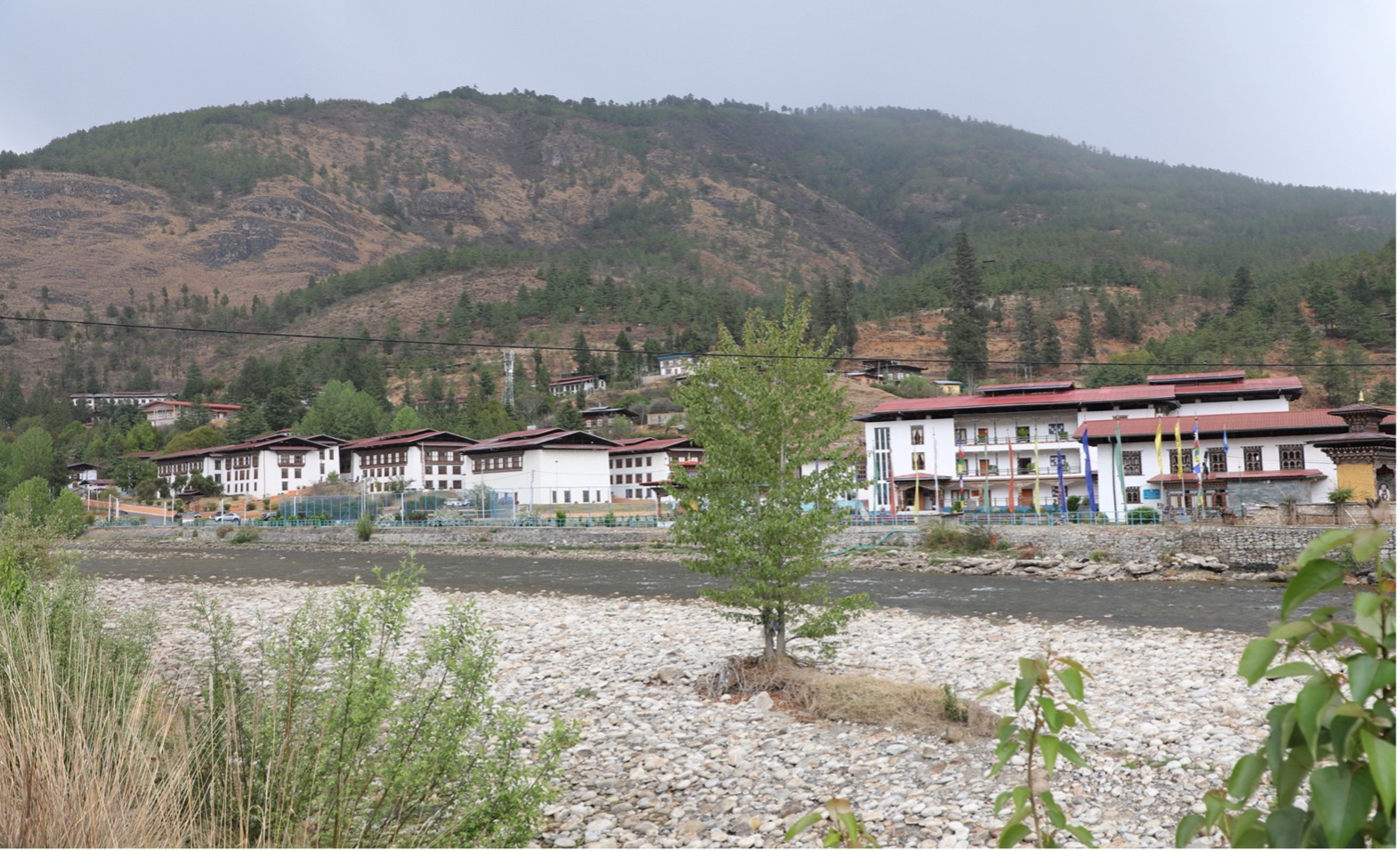
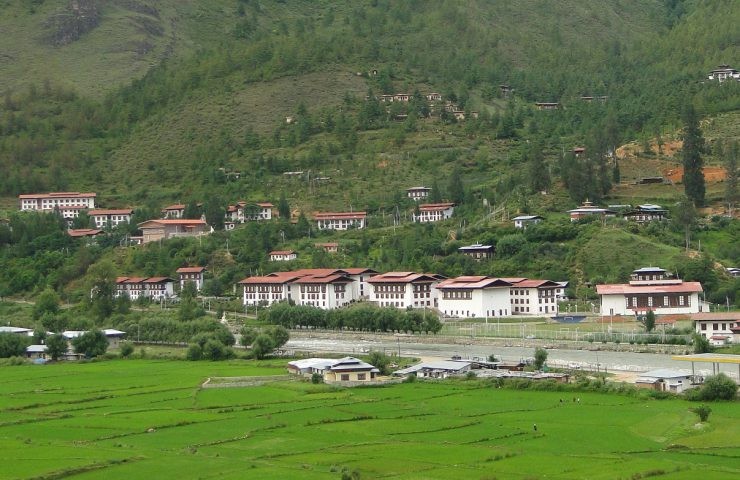
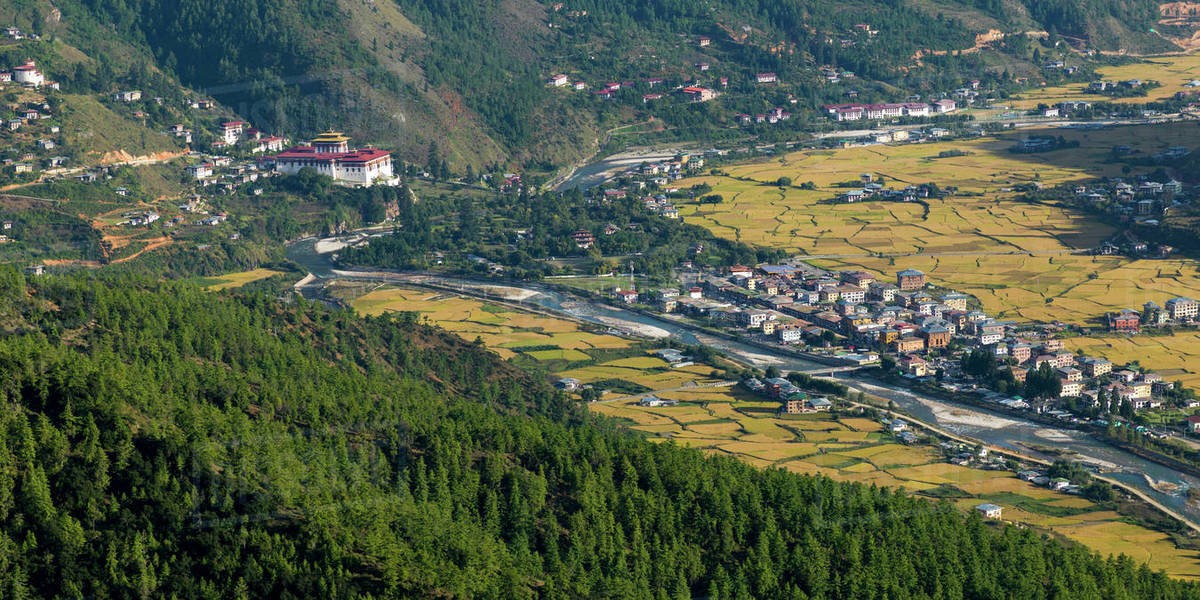
The campus is really beautiful. It is green, calm, and open. If you’re ever feeling overwhelmed, just a walk by the river with soft breezes does the work. Like I mentioned earlier, no extra therapy is needed. The sounds of the river flowing, leaves shattering, and the aesthetic evening or night view is enough to calm the busy mind.


Evenings are a mix of things with a bit more relaxed tone. Some students play football, some in the pool, some in the gym, others hang out at the canteen, and some go for walks. I usually spend my evenings in my room finishing up assignments or chatting with friends over a cup of coffee and snacks. Sometimes we complain about deadlines, and sometimes we just laugh at random stuff from the day.


Dinner is simple and light with rice and curry at 7PM. Afterwards we all return to the hostel. If we have group assignments, we meet up at study hall and work on them. Otherwise, it would be laundry with some music, scrolling through phones, or catching up on notes.


Living at PCE is not hard. You only have to manage a few things, like missing home. It’s also the place where I have met some of the closest friends, learned how to sail on my own, and slowly figured out what kind of teacher I want to be.


Paro College of Education might not be for everyone, but it does creep up on most. The view of the mountains in the morning, the peaceful strolls by the river, and the little victories in debates all play their part. At the end of the day, it is these small moments that defines my life.


We are reminded here every day that teaching isn’t a question of conveying facts; it’s about shaping lives. And every lecture, every conversation, every exasperation is shaping us for that. It’s not always easy, and there are days when I feel like I’m swimming underwater and can’t get out, but I know that I’m where I’m meant to be.

If you’re thinking about coming to teach in Bhutan, I would not describe PCE as an extraordinary. But it is real. And it gives you the space to learn, to grow, and to prepare for a career that truly makes you a difference.

From Arts To Science, We Are Now “Little Scientists In College”

Bishnu Sharma

From Arts to Science, We Are Now “Little Scientists in College”


It is sometimes funny how life can lead us down unexpected paths. For years, I studied and enjoyed Arts subjects like English and Geography, while ignoring the beauty of science – something I only realized later. I usually found peace in poetry, joy in grammar, and understanding in stories during my school days. I thought my world was painted in shades of literature and creative expression.


Then came college…a new beginning, a fresh start, and a leap into the unknown, yet a very lovable experience to go through. I was somewhat surprised to discover I had a science module, which I dreaded a little because I was nervous about it. But with the guidance and care from one of the best lecturers in the college, I was introduced to science with charm and gratitude, feeling energized to dive deeper into the world of scientific inquiry.


Soon, I found myself surrounded by beakers and experiments, exploring a world governed by logic and empirical evidence.


The first few weeks were some of the best moments because I was helped and guided like a child struggling to walk. My teacher made sure I understood the talks and discussions in class. I felt like I was learning a new language, yet amidst the challenge, a spark of energy ignited within me. I discovered a hidden curiosity – a desire to understand the inner workings of the universe.


Now, I find myself captivated by the beauty of science. From writing poems to studying cells under a microscope, I have realized that both Arts and Science are simply different ways of exploring the world, each with its own unique beauty.


So, there is something truly mind-blowing about being a “little scientist” in college, and about feeling the excitement of discovery and the wonder of learning. It is a reminder that we are never limited to one path, that we can always embrace new challenges and find joy in unexpected places.

From Ugh To Wow: The Blooming Side Of PCE I Almost Missed!

Tshering Dekhar

From Ugh to Wow: The blooming side of PCE I almost Missed!

“They say flowers wither… but maybe, like us, they bloom when it’s their time. Here’s to noticing the beauty that was always there.”


Flowers are pretty, aren’t they?
They are colorful, smell good, eye-catching, and make our environment look aesthetically pleasing. But honestly, I’ve never really been into flowers since I was a kid. Of course, they’re pretty and I don’t deny that. But I was never the type to pluck flowers and slide them behind my ears, unless it was for an Instagram post.


I’ve never even once in my life planted a flower or done any floral gardening. Flowers wither. They dry over time. And when they do, the place doesn’t even look that good. That’s what I used to think, anyway.


In our college, there are plenty of spots where flowers bloom and totally take over the place. It really makes PCE look beautiful – especially in Spring, you wouldn’t want to miss it. That’s also when you’ll see girls posting gorgeous pictures of themselves in flower fields, with matching Tegos and Kiras that adds to their glow.


Until my 4th semester, I never really paid attention to the flowers growing around campus. I didn’t even know what I was doing, but it was everything except admiring the flowers or posting flower-field pictures on Instagram.


It was only during my 4th semester that I started noticing the college was digging up the lush green grass where I used to sit and practice music. I thought and contemplated, thinking it was kind of unnecessary, until the flowers bloomed. They forced me to sit next to them, not that often though… I’m usually caught up and barely make time for nature.


Then came the next surprise: that chain-link fence surrounding the football ground. It used to be covered in thorns and greens, but now it’s filled with red, pink, and white flowers. And suddenly, it looked so pretty in my eyes. The glow-up was unreal- literally from ugh to wowwww!!. I even shared it with my friends. PCE wasn’t kidding when it focused on flowers to make the campus look more conducive and aesthetic.


Behind our SB-Block, there’s another garden where flowers are blooming, some even grow as tall as us! Honestly, it makes me want to crawl over the wall and run through the garden, but let’s not be dramatic… there is a proper way to get there.


And just beside the SB-Block, there’s that peach tree. I shamelessly stole and ate a lot of peaches from it (guilty!), but I never once sat under the pink flowers it bloomed with. My friend looked so pretty sitting under that tree. Even our Pavilion looks prettier than me these days- with flowers all around, while I sit here writing about them with my messy tied-up hair, oily face, dry lips, and eyes glued to this laptop screen.


We have two gates, the main entrance and another one just below the academic block. And I want to proudly say: the flowers that line the path from that lower gate to the canteen and stationery- I’ve always admired them since my first year. The reddish glow they give is magical. But the anti-lover in me didn’t even know the flower’s name till now. How foolish of me, right?


As my 4th semester was ending, I saw Instagram posts of girls with vibrant red flowers on the chain link fence in the background; videos of them laughing, talking about life, slow-mo clips with red roses and wind being the paid actor.


I was like, “Where the hell is this place?”
Only to realize at the end of my 4th-semester exams, “It’s literally next to the college’s outdoor volleyball court, you dumb Dora the Explorer!”


Now that I’m officially stepping into my 5th semester, I realize I had been holding onto this one idea- that flowers wither, they don’t last, and eventually lose their beauty. Maybe that’s why I thought I wasn’t into them. But now, I know I actually do love flowers. Maybe that’s why I never plucked them. Deep down, I always knew they were beautiful.


They really are pretty.
And more than that, I’m in love with the idea of how flowers remind us that- yes, we wither at times, but we also bloom when it’s our time. We just need to embrace every phase of life.
Isn’t it ironic? Even tiny flowers can teach us something so deep and meaningful.


Or maybe… I’m just too smart for making that connection. Or maybe too dumb for realizing it after two whole years here.

Uhhh-ughhh, but Dekhar do love flowers now!!


“I used to think flowers were overrated. Pretty? Sure. But never really my thing. That was until a few semesters in, when PCE’s campus turned into this blooming beauty, providing a contrasting reminder of beauty, and even life comes in phases. This is a story about flowers, my college, and the realization that maybe… I always loved them.”


Loading

Planting Seeds Today For The Fruit Tomorrow

Khina Maya Ghalley

Planting Seeds Today for the Fruit Tomorrow

“Everything that a child has when he is an adult is all acquired in his early years. It is when a child’s foundation for future is laid.”


At Paro College of Education, we the trainers and trainees believe these years are not only crucial but also filled with high and immense potential. Paro College of Education is an institute that is not only focused and trained for nurturing and teaching but also towards greater goals like guiding, inspiring and empowering every child to thrive.


The most intriguing part of teaching is its child centred philosophy. We understand every child is important and unique and our goal is to meet all their needs. In our curriculum, academic achievement and skills are not the only ones to be focused rather it goes beyond to other fields like emotional, social and psychomotor skills too. It enhances and ensures not only knowledge but also brings development in character and compassion.


We believe warm, safe and supportive environment is crucial for learning. As one of the quotes in internet said, “Children loved at home comes to the school to study but the children not loved at home comes to school to be loved”. Therefore, as a teacher we are not there to only teach, but also to love and teach them how to love. One teacher can change so many students’ life just by teaching, being there for them or just supporting them when they need them. As they say, teachers are the second parents, Paro College of Education empowers educators to be one for the children.


Behind every successful student, there is a dedicated teacher. Behind every student who is motivated and goal oriented, there stays a teacher who is willing to support and facilitate at all times. This institute facilitates the trainers with enough and well equipped modern teaching strategies, child psychology insights, building supportive environment and compassionate communication skills. Early years are the time for building a strong root, and Paro College of education is preparing and producing well-equipped teachers to shape students now and for the future. If we plant seeds today, and nurture them with the best care and support, then we will definitely get the fruit in future.


Paro College is not only about educating students but also focuses on nurturing future leaders, thinkers and citizens with passion, purpose and dedication.


Loading

Beyond Books: Swimming Into Wellness At Paro College Of Education

Kinley Bidha

Beyond Books: Swimming into Wellness at Paro College of Education.

In marking the Golden Jubilee of Paro College of Education, it is wonderful to note how much Paro College of Education has progressed and spent on the development of overall welfare of its students. One of the many noted facilities is the College Swimming Pool that you can see right away as you enter the College Gate. The building which stands tall with a unique architectural enigma, houses 3 floors. The swimming pool is located in the lowest floor where passerby can access the pool by entering the door on the bottom right of the building and walk straight through. However for official entry and access, a dedicated entry zone is located right behind the building where a student will be present to check your credentials and allow you in. It is now a popular spot for students to unwind, stay healthy and develop physically. Entering the pool area is refreshing after a long tiring day of classes.


No worries, the rules are strictly applied and upheld to ensure that all of the student trainees have a good and safe experience. The pool remains open during the academic year with well-timed slot for men and women so that the atmosphere remains open where each and every one of them gets their turn to swim. For example, women may have their pool time on Monday, Wednesday and Friday between 4:30 Pm to 6:30 Pm, with men getting their sessions on Tuesdays and Thursdays.


During weekends and holidays, the pools operate with extended hours of availability, offering women access between 9:30 Am and 12:00 noon and men between 2:00 and 4:30 Pm which is certainly a great balance for enjoyment and regular practice. As already mentioned, the pool has implemented a set of established rules to ensure a clean and safe experience. They must bring their ID, pay a minimal session fee (Via QR Code-no cash), and shower before they get in. Proper swim wear is requested for safety and respect within common space. Running, diving in shallow areas or eating within the immediate vicinity of the pool is not allowed, which shows how the college provides a strong emphasis on safe swimming conditions.


It is of utmost importance to consider one’s own personal safety while having fun in the pool. The pool has no designated lifeguard. The students are required to be cautious and observe all the safety protocols. Children below the age of 12 should be accompanied by an adult and visitors have to register before they can access the facility.


Personally speaking, what is most important is that the pool is not just a place to cool off. It is a reflection of how Paro College of Education has invested decades of meticulous planning as well as capital investment in student welfare. It reveals that the college does not only concern itself with our intellectual growth but also our physical and mental well-being in line with the vision of developing well-rounded future teachers.


Being a contented member of college during this 50th anniversary, I thank Royal University of Bhutan for having such an infrastructure on campus. And Paro College of Education for making every stay in the college worth the experience. It is a reminder that even though we admire our college’s proud history, we must move forward and propagate and preserve this institution for the future generations of students. Cheers to the 50 years of excellence and continued safe and joyful swimming at Paro College of Education.


Loading

Classroom That Whets Wits For Teaching

Dorji Lhazom

Classroom that Whets Wits for Teaching

“I’m sure I’m going to win this war!”—you might hear me declare. A war of what? you ask. Well, let me explain.


Paro College is more than just a place of learning—it’s a training ground, preparing us to face the reality of the teaching world head-on. And I’m proud to be training at PCE. We are equipped with knowledge and skills through various modules, but, for me, none quite like PED202: Skills for Effective Teaching. This is where the real training begins. It’s an intense experience for us, who are preparing to become teachers.


Almost twelve module tutors come together to train hundreds of us—the future educators. This intensive module truly feels like preparing for a war zone as we brace ourselves for the challenges ahead. The classroom is our battlefield, and student success is our ultimate mission. Just like soldiers undergo rigorous training, we dive into a demanding regime filled with educational theories, pedagogical strategies, classroom management techniques, and curriculum development. It’s both academically and emotionally taxing.


Each lecturer covers a different topic, but all aim to foster co-learning and promote a less teacher-centered approach. This collective effort is designed to support every child’s holistic development, ensuring we’re prepared for the classroom battles ahead.


This module, commonly known as “microteaching,” is where theory finally meets practice. During the last three weeks of the semester, we put everything into action. Each student prepares teaching materials and delivers a 15-minute lesson. That’s why it’s called “microteaching”- short, focused, and intense.


Here’s how it works: the class is divided into three groups of about 10 students each. Each group is assigned to a specific lecturer, who observes them using one of the three instructional models— the Sydney Cycle, the 5E Model, or the 5-Step Approach. As students rotate weekly, they get to experience all three models and receive feedback from different lecturers. By the end, we’ve all had hands-on practice with each strategy.


And to wrap things up, we present our Teaching-Learning Materials (TLMs). This is where creativity takes over. We design materials on any topic we choose, and our lecturers assess them not just for creativity but for their educational value and reliability. It’s always exciting to see the wide variety of TLMs. This part of the module brings out the inner child in all of us.


This module pushed me—physically and mentally. It trained me to stand tall in front of a classroom and embrace the challenges of teaching. Now that I’ve completed it, I feel incredibly confident. PED202 has boosted even the most timid students among us and aligned our skills with 21st-century teaching practices to make learning truly impactful.


Loading

Nurturing Head, Heart, And Hand – Discovering Self In Books

Bishnu Sharma

Nurturing Head, Heart and Hand – Discovering Self in Books
 

“It was like a sunrise breaking through the clouds.”


READING! YOU are the CHANGE! READ today and appreciate tomorrow!


I remember the day I discovered reading—it’s been a decade now. From the tiny walls of the primary school library room to the majestic hall of college library, my reading journey has grown from a small seed into a gigantic tree. I was a restless child, bouncing off the walls, unable to find peace—neither in people nor in games. I wandered from one class to another, searching for something meaningful, but nothing ever held my attention.


Then, one day, a worn and long-forgotten book titled Let Me Live: A Tale of an Old Tortoise landed in my hands, tossed by a naughty third grader upset because it had rained and he couldn’t play. Reluctantly, I opened it—and the world transformed. Suddenly, I could understand the language of animals. I longed to meet the old tortoise fighting for his freedom, wishing to live outside the cage, not to be tortured like a clown.


It felt like a sunrise breaking through the darkest clouds, clouds heavy with an approaching storm. The pages weren’t just filled with words—they were portals to suffering, pain, and hope. I sat there, flipping page after page, and suddenly, the four walls around me disappeared. I was surrounded by the tortoise’s melancholy, his grief and remorse. I cursed the heartless mankind that kept him caged.


Again, it read: “It was like a sunrise breaking through the clouds.”


The story was more than just a tortoise’s fight for freedom—it was about the boundless possibilities beyond our limited thinking. Though physically restrained, the tortoise traveled through worlds in his mind, filled with hope that he would one day be reunited with his family. Not by chance, but by the strength of his will.


Through his eyes, I journeyed to lush green meadows, tasted sweet wild berries, and felt the forest wind. Each page pulled me deeper into a world where imagination had no limits—a world where hope flourished even behind bars. I realized that the cage wasn’t just around the tortoise; we build our own cages with fear and doubt. But books, like this tale, are the keys to unlocking our minds and exploring the vast landscapes of our inner selves.


That book planted the seed of my love for reading. Now, whenever I feel confined, bored, or drained, I reach for a book. It reminds me that even when life feels restrictive, the sunrise of imagination waits to break through the clouds. Like the old tortoise, we can find freedom and beauty within pages, letting our minds soar—despite feeling blue, it’s never the end.


So READING is the power we all have. Let us embrace it, understand all sentient beings, and travel through worlds of joy, sorrow, and adventure together. FLIP once, FLIP twice, and you’re in the world of READING!


Loading

Marking The Golden Jubilee Of Paro College Of Education

Samantha Isobel Shepherd

Marking The Golden Jubilee of Paro College of Education

From Australia to Bhutan: Lesson Beyond Border

Excitement, anticipation, uncertainty – the feelings of an Australian university student and New Colombo Plan scholarship recipient about to embark on a life-changing journey to the Kingdom of Bhutan. My philosophy upon arrival was one of open-mindedness – the possession of an authentic desire to learn as much about the culture, language, and teaching profession as possible throughout my journey, emanating from an innate desire to learn, surrender, and discover wholeheartedly. 


 “Minds are like parachutes. They only work when they’re open”


Warmth, joy, confidence – sentiments felt upon meeting PCE president Sir Dorji Thinley, Ms. Kezang Choden, each Dean of education, my inspiring tutors and incredibly welcoming classmates. I experienced an immediate sense of belonging, connection and contentment as a result of the kindness bestowed upon me. The most significant aspect of my time at PCE was the incredible manner in which Buddhist philosophy was intricately interweaved with the delivery of content. It became evident that attending educational institutions within Bhutan educates the individual holistically – developing mind, body, and spirit to achieve one’s full potential. These fundamentally Bhutanese values of compassion, kindness and gratitude permeated through my experience, teaching me to incorporate this into my own teaching approach. 

Growth, gratitude, transformation – an ever-lasting and irreversible evolution to every cell of my being gained from my time in PCE, Rinpung ECCD centre, and further teacher development in Buli Central School. I am forever grateful to this college for every memory, opportunity, and for demonstrating that “Druk Gyelkhab dhi Zhingkham Nyi pa zum bay.” 


Namay Samay Kadrinchoe la dhang Tashi Delek to Paro College of Education and all of its constituents on this Auspicious Occasion! 


Loading

Loading