

Leaving college and beginning my teaching practice was an emotional experience. As I said goodbye to the familiar faces, comfortable surroundings, and routine of college life, I felt a heaviness in my heart and a mind filled with uncertainty. When the day finally arrived to report to my assigned school, I felt both nervous and excited. Everything seemed unfamiliar, and I wondered what awaited me in this new chapter of my life.
On the first morning, as the sun slowly rose, I found myself thinking about the day ahead. Deep down, I was excited about stepping into a new environment, meeting new people, and experiencing something different. As I approached the school campus, I was welcomed by the cheerful voices of children who greeted me with their bright smiles. At that moment, my nervousness began to fade, replaced by a sense of belonging and curiosity. I realised that I was not simply entering a new workplace; I was stepping into a world that would challenge me, shape me, and teach me lessons far beyond the boundaries of a classroom.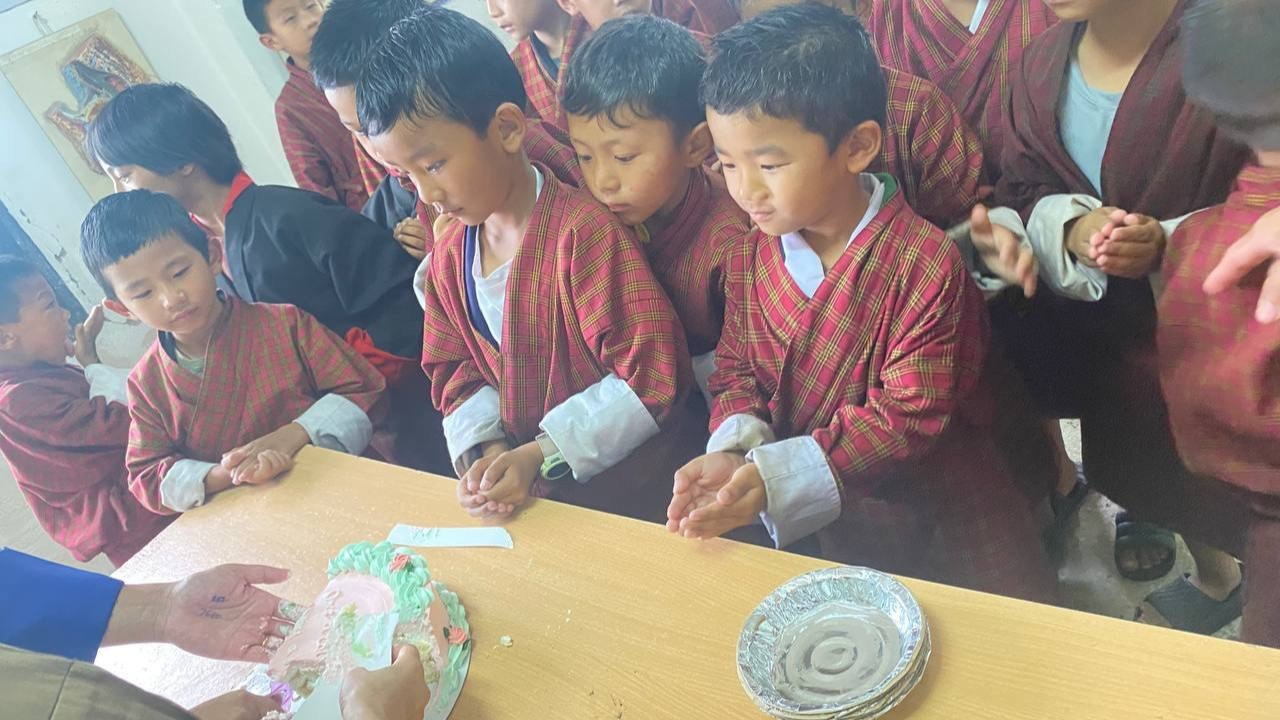
As the days passed, the unfamiliar surroundings gradually became familiar, and school life became part of my everyday routine. Almost every morning, someone would run towards me, greeting me very enthusiastically, “Good morning, Miss!” while others would approach me with their never-ending complaints. One would complain that a teacher was punishing them, while another would report that someone was playing in the water. There was hardly a day when I was not approached with a complaint about something or someone. Although these little incidents sometimes tested my patience, they also became an amusing and unforgettable part of my teaching practice. The children would be very happy to see me and would yell “math’s mam”, and that would at least make me happy for a few seconds.
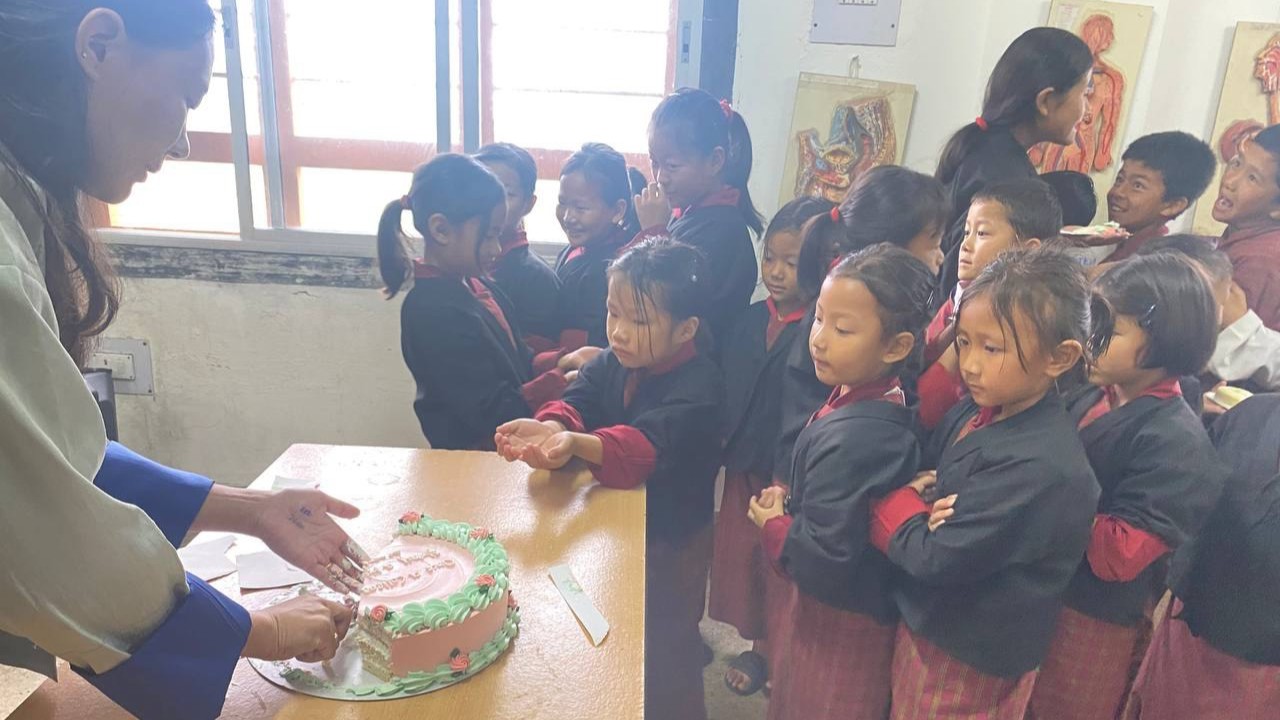
One day, a student suggested that I should bring something for them to eat during the interval. When I asked why they did not ask their own teachers, the child confidently replied that the teachers were always drinking tea and eating during the interval. I explained that I did not have enough money to buy snacks for everyone, but I would get them something someday. Their innocent expectations and straightforward reasoning often left me smiling. Through such interactions, I began to understand that teaching was not limited to explaining lessons or completing classroom activities. It was also about building relationships, listening to children, and appreciating the little moments that made each day special.
Of course, school life was not always filled with smiles and laughter. There were days when the children found themselves in trouble, and their innocent mischief reminded me of how unpredictable school life could be. I still remember a student from Class IV who was called to the office for failing to complete his SUPW and for sending a love letter to a girl from another class. Unfortunately for him, the letter was discovered, and he had to face the consequences of his actions. One of the most challenging aspects of teaching practice was managing the classroom. I often entered a classroom with a smile and left with a frown, wondering how a seemingly simple lesson could demand so much energy and patience. The students seemed more concerned about drawing clouds under the date and day than paying attention to the lesson. Others would take an unusually long time to write the date and day in their notebooks, turning a task that should have taken a few seconds into a lengthy activity. These small distractions often tested my patience and challenged my ability to keep the class focused.
Morning assemblies would be very challenging. Arranging the students in straight lines, reminding them to remain quiet, and ensuring that everyone followed instructions. Whenever the students became too noisy, I would jokingly tell them that their lopen was coming to punish them. Even then, a few students would continue talking, while others would forget everything they had memorized as soon as they reached the front.
Such moments were chaotic, but those were the simple parts of life.
The interval and lunchtime would be full of surprises. There were days when students came running to me with bruises, untied kera, loose shoelaces, or messy hair, each with a different story to tell. Some needed comfort, some wanted help, and others simply wanted someone to listen. Although these moments could be overwhelming, they helped me recognize how much children depend on teachers not only for academic support but also for care, reassurance, and guidance.
As I reflect on these experiences, I realize that teaching practice was much more than an opportunity to apply the theories and teaching strategies I had learned in college. It was a journey of personal and professional growth. It taught me that patience is essential when dealing with young learners, that care can be expressed through the smallest actions, and that responsibility extends far beyond the completion of a lesson plan The children who tested my patience also taught me to be more understanding, the challenges that once overwhelmed me helped me grow more confident, and the ordinary moments gradually became extraordinary memories. Beyond the textbooks, lesson plans, and classroom activities, I learned the true meaning of teaching: to care, to guide, to understand, and to grow alongside the learners. In the end, I realized that becoming a teacher is not simply about teaching lessons but it is about making them better than yesterday.