Research and Innovation
The Centre for Educational Research and Development (CERD)
The Centre for Educational Research and Development (CERD), formally known as Centre for Educational Research and Development (CERD), is situated at Paro College of Education, Paro. The establishment of the CERD was initiated by the Prime Minister Sangay Needup, the then Minister of Education. The institution was conceived as a result of the rapid growth, both in extent and scope, the Bhutanese education system had undergone since its humble beginnings. It was recognised that there was need for an institution which could meet, in strong research terms, the need for an on-going review of processes, policies and programmes within the Ministry.
The CERD was consecrated on April 19, 2001 by the Venerable Lam Neten of Paro Dratshang in the presence of the Honourable Secretary of Education, Dasho Pema Thinley and other officials of the Ministry of Education and the National Institute of Education, Paro. The founding Director was T. S. Powdyel, the former Minister of Education in the first elected government of Bhutan. The Centre is now in its twenty fifth year of operation.
Today the Centre, as well as carrying out research, coordinates research activities for the colleges of education, facilitates research links with Ministry of Education and Skills Development (MoESD) and other stake holders, publishes research and scholarly papers and provides consultancy and professional community support services within the Royal University of Bhutan family, the Ministry of Education and other relevant stakeholders.
Vision, Mission and Focus Areas
Vision
Excel in educational research and Innovation.
Mission
• Foster a culture of inquiry-based teaching and learning through research, publication, and professional development;
• Support and undertake research on critical issues in education that inform GNH inspired policies and practices;
• Collaborate with relevant stakeholders through research, consultancy and services;
• Provide a forum for exchange of ideas and innovations.
Research Focus Areas
• GNH- Inspired Education
• Educational Action Research, Classroom Inquiry, and Curriculum Development
• Inclusive Education, Early Childhood Care and Development (ECCD), and Special Educational Needs
• Adolescent Mental Health, Comprehensive Sexuality Education (CSE), and Youth Empowerment
• Heritage Education, Traditional Arts, Culture, and Digital Integration
• Educational Leadership, Policy, and Teacher Professional Development
Research Policy and Guidelines
RUB research policies/Zhibtshol
RUB Research Policies is the primary reference regarding research for members of the University (administrators, faculty, staff, and students) as well as affiliates and anyone involved in research with the University, or using University resources. The ZHIB TSHOL was endorsed by the 14th Research and Innovation Committee in October 2013 and approved by the 29th Academic Board which is the primary academic authority of the University responsible for academic affairs, including academic standards, research, scholarship, teaching and programmes at the University. The policies define the official policies, procedures, and structures of the University governing all aspects of research.
Research project management policy
The “Management Guidelines for National and International Projects 2025” is a policy document that establishes a framework for managing research projects (local, national and international) secured by or for Paro College of Education. The guidelines not only ensure fair distribution of work, and timely financial reporting, but also demonstrates the College’s continued commitment to ensuring transparency, accountability and efficiency in the administration of all research activities. The document was endorsed by the College Management Committee on 13 October 2025.
Research Grants
College Annual Research Grant (CARG)
To foster a robust research culture, the College awards the College Annual Research Grant (CARG) to both the academic and non-academic staff in three categories: beginning researcher, mid-career researcher and advanced career researcher. A maximum per-project grant is awarded at Nu. 80,000/- for beginning researchers, Nu. 120,000/- for mid-career researchers, and Nu. 150,000/- for advanced researchers.
PCE Research Block Grant (PCERBG)
Considering the recommendation from the PCE Accreditation Team (2026) – that the College undertake research with broader academic and societal impact, the 40th CRC meeting convened on 16th September 2026, endorsed the institution of College Annual Block Grant of Nu. 500,000/- (Nu. Five hundred thousand only). The main goal of this initiative is to enable the faculty members to undertake large-scale studies that have broder societal impacts.
On-going Research Projects
Research projects that Paro College of Education currently handles are listed in three categories as under:
International
- MIEMIS Project 01 December 2023 – 30 December 2026: Principal Investigator – Dr. Gembo Tshering
- EUFSTIAT Project 01 November 2023 – 30 July 2027: Principal Investigator – Dr. Gembo Tshering
- Digital Education Programme (Funded by FIFA) Project, 2026 – 2028: Principal Investigator – Mr. Thinley Phuntsho
AURG/RUB grants
No AURG/RUB grants secured for the current fiscal year.
CARG
- Professional Conduct, Discipline, and Academic Performance of Day Scholar Students: The Role of Off-Campus Living – Principal Investigator: Dr. Dorji Wangchuk
- An Examination of RES 301, Mentoring and Methodological Choice: Developing a Model of Action Research Embedded with Teaching Practice – Principal Investigator: Dr. Lungten Wangdi
- A Comparative Study of Student Service Delivery in Higher Education Institutions – Principal Investigator: Mr. Ugyen Namdrel
- Exploring the Perception of Lecturers and Students of Paro College of Education on the Use of Moodle as a Virtual Learning Environment (VLE) and Its Impact on Teaching and Learning: Principal Investigator – Mr. Tshewang Tobgay
- APA 7th ལུ་གཞི་བཞག་སྟེ་ རྫོང་ཁའི་ལུང་འདྲེན་དང་རྒྱབ་རྟེན་གྱི་ལག་དེབ་ དབྱེ་དཔྱད་དང་བསྐྱར་ཞིབ། – Principal Investigator: Lop. Samten Tharchen
- འབྲུག་རྒྱལ་ཁབ་ནང་ རང་ལུགས་སྙན་ཆ་ གླིངམ་གི་ཤེས་ཡོན་དར་ཁྱབ་ག་དེ་སྦེ་ཡོད་ག་བརྟག་ཞིབ། – Principal Investigator: Lop. Tshering Dorji
Publications
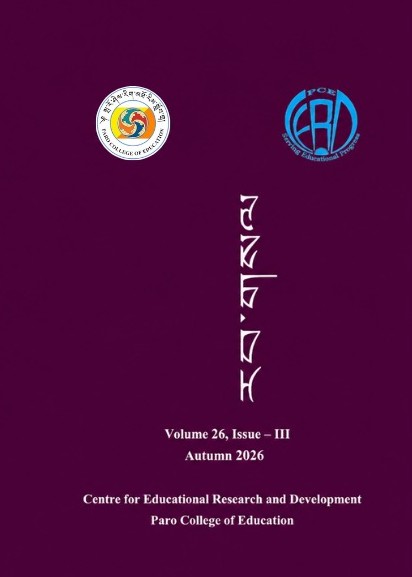
RABSEL – the CERD Educational Journal is published twice a year in spring (May) and autumn (November). The journal welcomes contributors which promote the exchange of ideas and rational discourse between practicing educators, researchers, planners, administrators, educational thinkers and practitioners, learners and policy makers from Bhutan and abroad. To this end, the Journal publishes articles on empirical and theoretical studies, research reports, commentaries and scholarly reviews that attempt a systematic analysis or synthesis of educational processes and systems from different viewpoints and approaches.
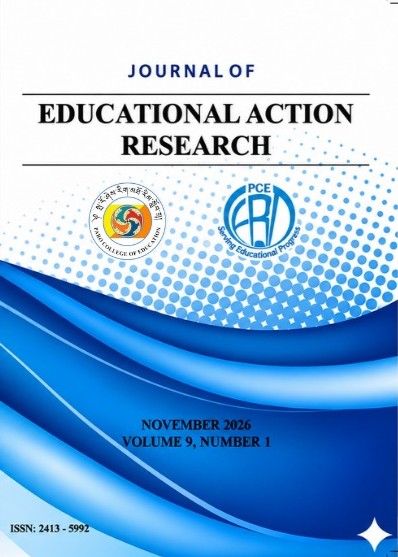
The Journal of Educational Action Research (JEAR) is published once a year in autumn (Novenber). The JEAR aspires to develop a strong educational research and scholarship culture through which a systematic, collaborative and participatory process of inquiry can actively seek to address areas of concern facing education today. This would not only help provide technical skills and specialised knowledge, but also bring about positive changes within the classroom, schools or the community at large. The Journal welcomes contributions from researchers and scholars who work in the field of action research and related activities in education. The JEAR utilises a blind peer review process of its manuscripts and involves both the national and external reviewers.
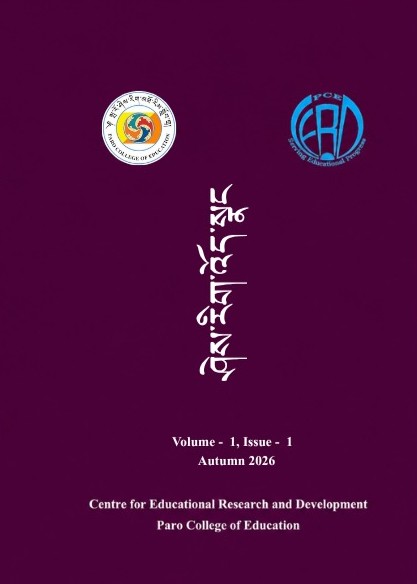
Sherig Yednang, the third educational journal published entirely in Dzongkha, was launched in October, 2026 to promote Dzongkha, i.e. Bhutan’s national language, and encourage localized academic research.